
Advice considerations
Self-build finance requires a different approach to mainstream residential advice. Early decisions can significantly affect whether a project is viable, fundable, and able to progress smoothly.
With a self-build project, clients could be spending tens of thousands of pounds before even starting construction, based on your advice. Here are some foundations worth carefully reviewing before advising your client to proceed.
The 5 C’s are crucial for a successful self-build project.
Construction type
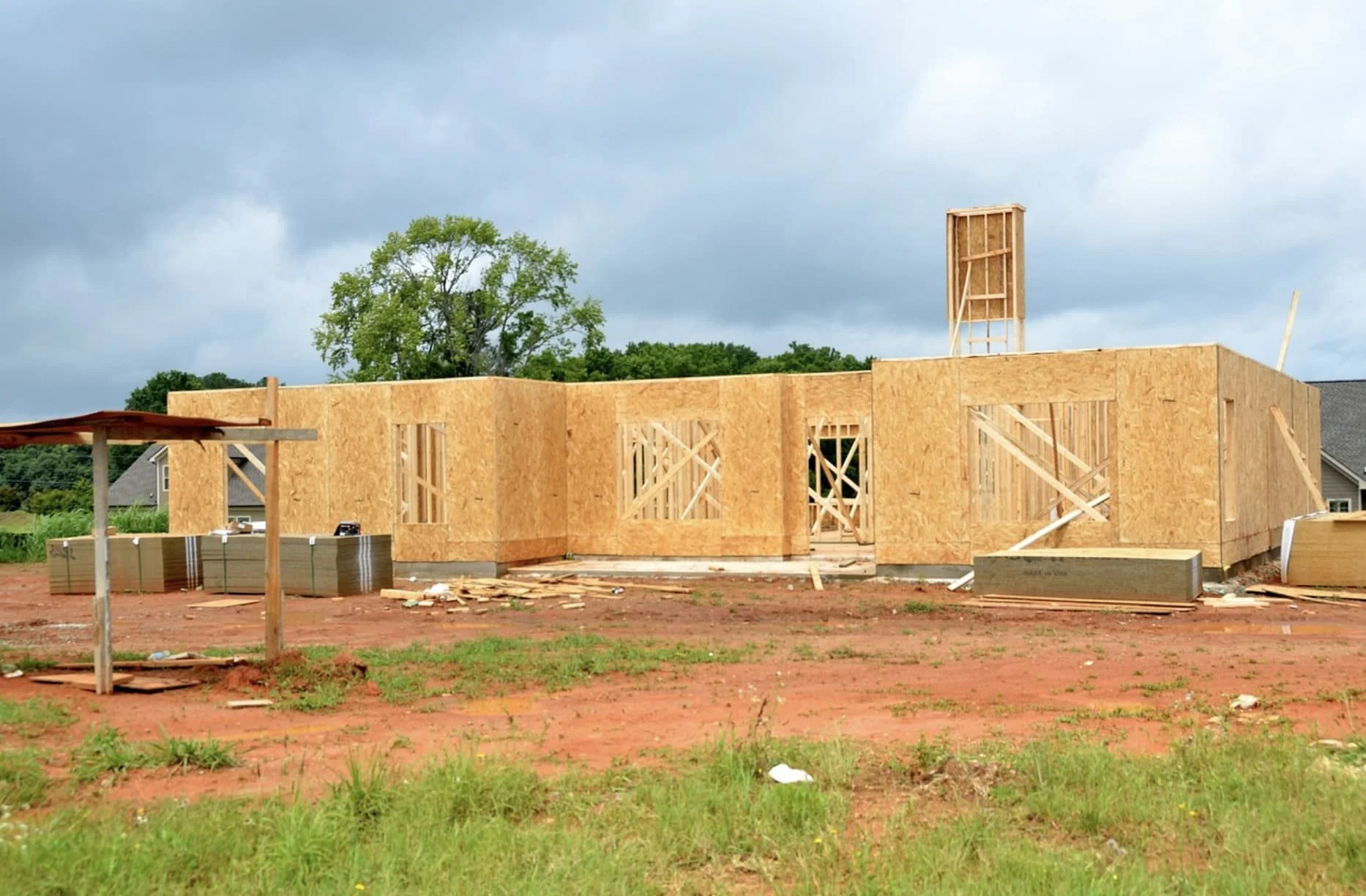
The construction type your client has chosen directly affects lender interest, cash flow structure, and the project's overall feasibility. Lenders need to be confident in the final superstructure that will serve as their security. At Mayflower, we regularly secure funding for a variety of construction types, ranging from traditional brick and block to more specialised methods such as modular and straw bale construction.
However, the choice of construction type affects lender confidence and influences several factors, including:
The speed at which funds are needed on-site
Whether costs are incurred upfront or distributed evenly throughout the project
Which lenders are willing to consider financing the project
In some instances, overall funding may be adequate, but it may not align with the project’s cash flow requirements. A certain construction method may be feasible, while another could render the project unviable, even with the same total budget.
Providing clear guidance at this early stage can make the difference between a project that moves forward and one that stalls.
Cashflow
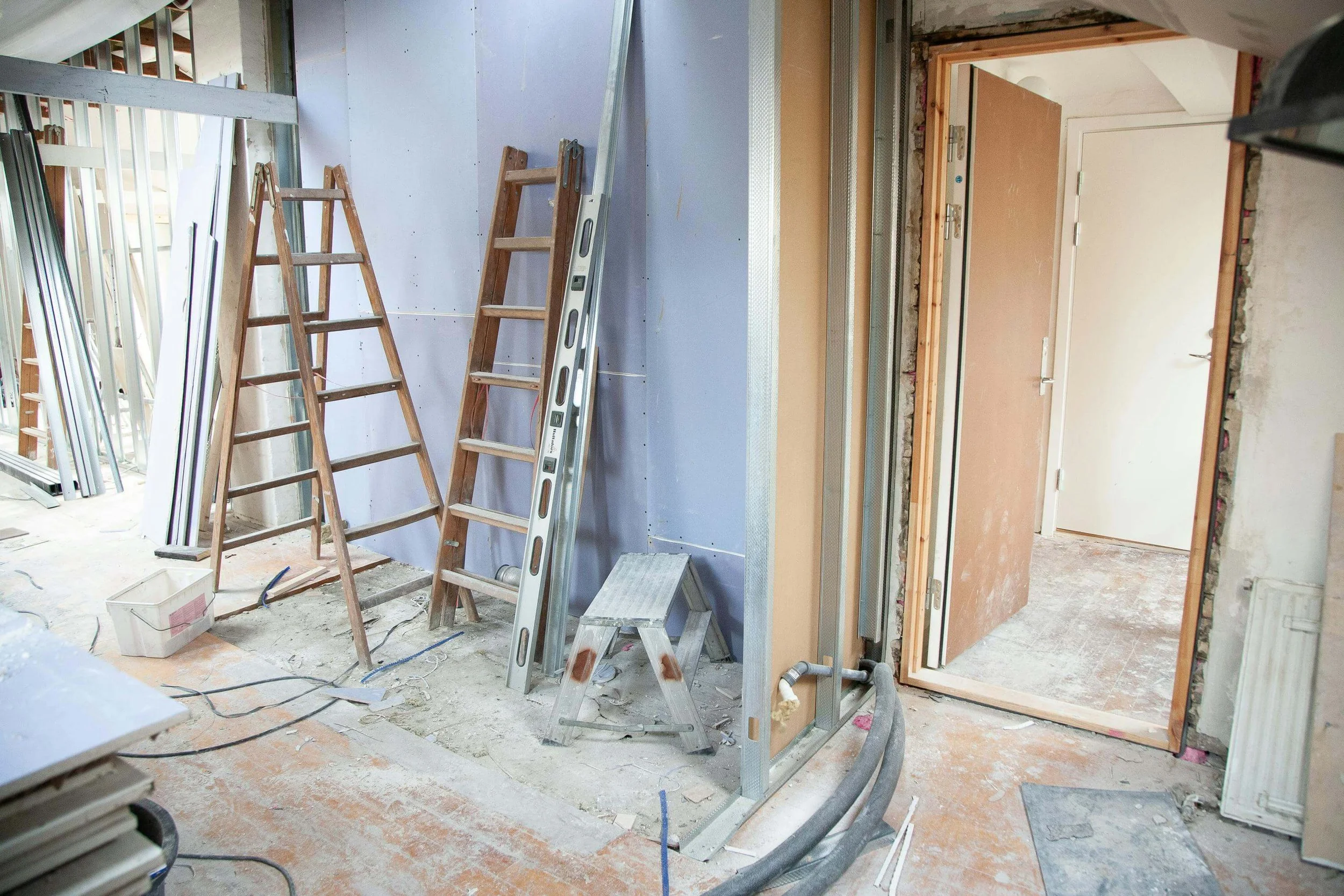
Cash flow is one of the most common challenges in self-build projects. Most self-build financing is released in stages, and lenders structure these releases differently depending on the project's specifics and construction method. While it may be possible to secure enough overall funding, it must be available at the right times to keep the build on track. Key cash flow considerations include:
Whether funds are released in advance or in arrears
The timing of material and labour costs
The client’s ability to finance the early stages independently
How the type of construction affects when funds are needed
Because cash flow and construction type are closely linked, a project that appears viable on paper can become problematic in practice if funding does not align with on-site realities. We tailor a cashflow forecast for brokers to work through with their client.
It is often crucial to help clients understand these factors before they commit to a specific building route to ensure overall feasibility.

Costs and Contingency
Accurate build costing is central to successfully placing a self-build case. Self-build lenders will expect the project to be fully costed, with appropriate contingency built in. However, comfort levels vary widely between lenders when it comes to:
The level of detail required
Acceptable cost per square metre
Minimum contingency allowances
If costs are underestimated or contingency isn’t adequately accounted for at the outset, this can cause issues later, either during underwriting or once the build is underway.
At Mayflower, we offer a complete build costing service for FREE that clients can utilise where appropriate. This includes:
A detailed breakdown of materials and labour
A quantified schedule of works
A proposed Gantt chart to support planning and lender review
Having the right level of detail early can make the difference between a case that progresses smoothly and one that becomes difficult to place.
Client Involvement
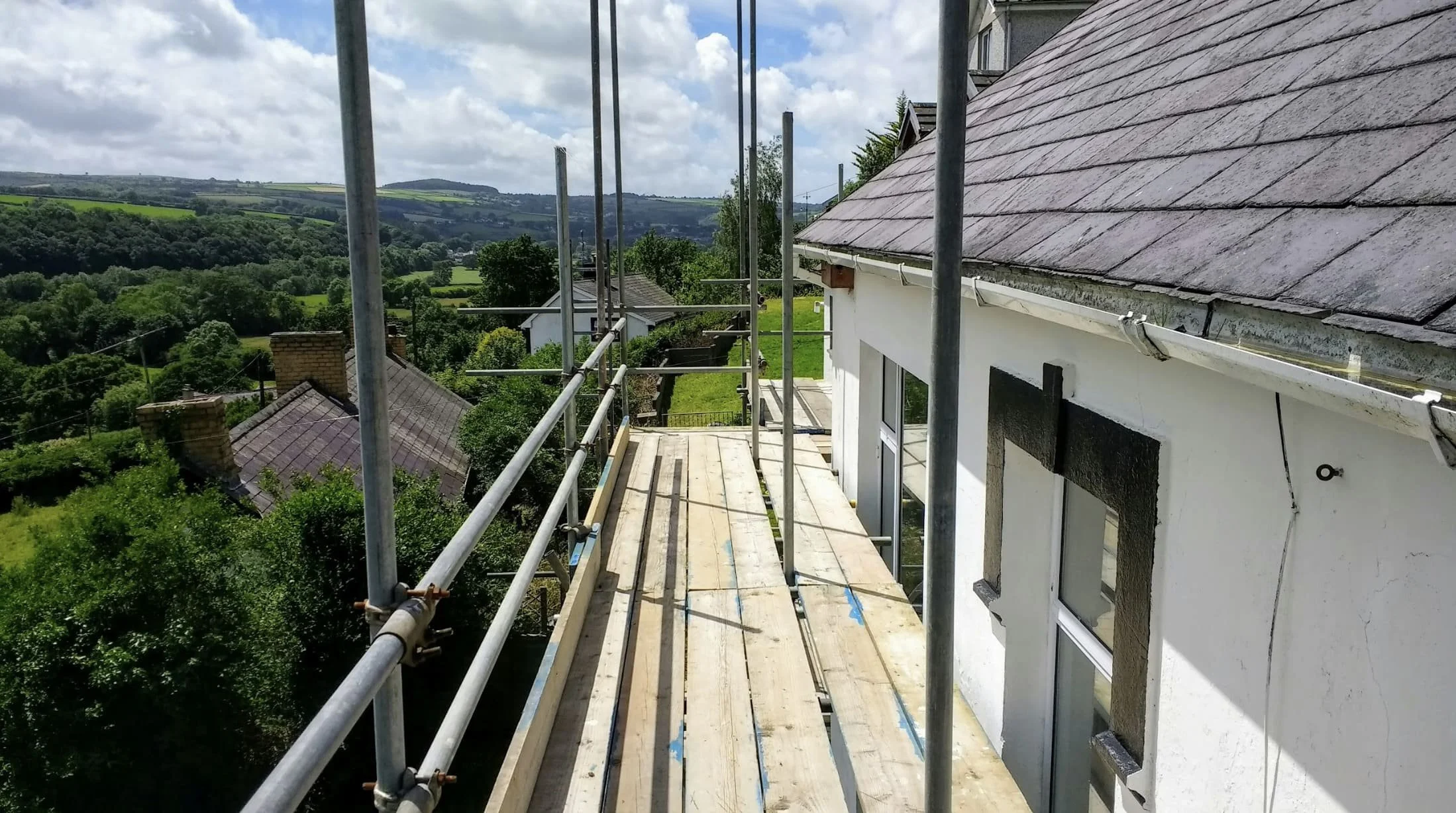
How a build is managed plays a significant role in lender appetite. Some clients choose to manage their build themselves, others appoint a main contractor, and some take a fully hands-off approach using professional project management. Each scenario carries different risk considerations for lenders. As an adviser, it’s important to understand:
Who is responsible for managing the build
The experience level of those involved
Which lenders are comfortable with the chosen approach
Some lenders will fund self-managed builds for those with no prior experience, but others will only consider projects led by experienced contractors or professional teams. So the lender selection is more nuanced than it first appears.

Why do brokers want to work with Mayflower?
Mayflower was founded after our directors completed their own self-built project and saw firsthand how complex, unclear, and limiting the finance landscape can be, even with industry knowledge. That experience shaped a business focused on specialist expertise, careful planning, and realistic guidance from the outset of a project.
In self-build finance, early decisions around construction type, budget, cash flow, and build management are closely connected. That’s why early specialist input is helpful for feasibility sense-checking, understanding lender appetite, and identifying potential challenges before expectations are set. In many cases, a brief conversation early on can help avoid delays, rework, or difficult conversations later.
Want to explore these in more detail?
Every self build project is different, and it’s not always clear how the various moving parts will interact until you talk them through.
If you’d like to discuss a specific case, explore funding options, or better understand how specialist input could support your advice, our team is always happy to help.